
Nutritionist Tips for Clear Vision
Discover how strategic nutrition choices can support and maintain your eye health. Our comprehensive guide reveals the science-backed nutrients and dietary patterns that contribute to visual clarity and long-term vision wellness.

The information on this site is for educational purposes only and does not constitute medical advice. Always consult a qualified healthcare professional before making health decisions.
Top 5 Vision-Boosting Nutrients
These essential nutrients have been studied for their role in supporting eye function, protecting against age-related changes, and maintaining visual performance throughout life.
Lutein & Zeaxanthin
These carotenoids accumulate in the macula, the central region of the retina responsible for detailed vision. They function as natural filters, protecting sensitive tissue from oxidative stress and high-energy light exposure. Rich sources include spinach, kale, collard greens, and broccoli. Consuming these leafy vegetables regularly supports the density of protective pigments in your eyes.
- Supports central vision clarity
- Reduces glare sensitivity
- Antioxidant protection
Anthocyanins
Powerful antioxidants found in deep purple and blue fruits, anthocyanins help maintain blood circulation to the eyes and reduce inflammation at the cellular level. Blueberries, blackberries, bilberries, and purple grapes are excellent sources. These compounds work by neutralizing free radicals that naturally accumulate during normal eye function, supporting visual endurance during extended focus periods.
- Enhances night vision capability
- Supports eye strain recovery
- Improves blood flow to eyes
Omega-3 Fatty Acids
DHA and EPA, the long-chain omega-3 fatty acids, are structural components of the retina and crucial for visual signal transmission to the brain. Fatty fish like salmon, sardines, and mackerel are primary sources, along with flaxseeds and walnuts. These fats support the health of cell membranes throughout the eye, promoting smooth visual processing and reducing discomfort from screen exposure.
- Supports retinal structure
- Reduces visual fatigue
- Promotes tear film stability
Zinc
This essential mineral is highly concentrated in the retina and helps transport vitamin A for optimal visual function. Oysters, beef, pumpkin seeds, and cashews are excellent zinc sources. The mineral supports the production of protective enzymes and maintains the structural integrity of retinal cells. Adequate zinc intake is particularly important for maintaining visual clarity as we age.
- Enhances night vision
- Supports vitamin A absorption
- Protects retinal cells
Vitamin C
A water-soluble antioxidant that accumulates in ocular tissues, vitamin C helps neutralize free radicals generated by light exposure and metabolic processes. Citrus fruits, kiwis, bell peppers, and strawberries provide abundant vitamin C. This nutrient works synergistically with other antioxidants to maintain the transparent structures of the eye and support overall tissue resilience.
- Neutralizes oxidative stress
- Supports lens clarity
- Collagen formation in cornea
Vitamin A & Beta-Carotene
Vitamin A is essential for producing rhodopsin, the visual pigment in the retina's rod cells that enables vision in low-light conditions. Beta-carotene, found in orange and yellow vegetables, converts to vitamin A in the body. Sweet potatoes, carrots, and apricots are rich sources. This nutrient directly supports the regeneration of visual pigments and maintains the health of the photoreceptor layer.
- Essential for night vision
- Supports rod cell function
- Protects retinal pigment
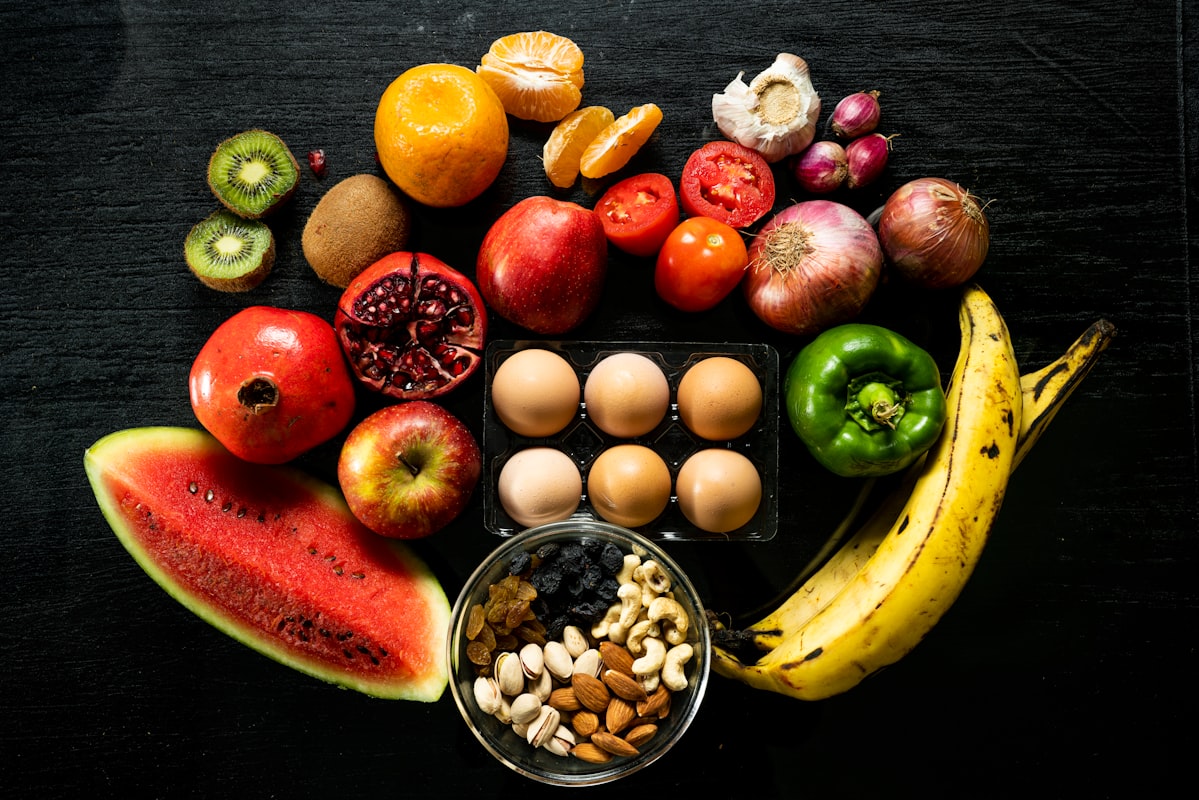
The Connection Between Nutrition and Eye Health
Your eyes are living tissues with substantial metabolic demands. The retina, in particular, consumes more oxygen per unit weight than any other tissue in your body. This high metabolic activity creates increased exposure to oxidative stress—a process where free radicals damage cellular structures. The nutrients we've outlined work together to counteract this stress, maintaining the delicate balance your eyes need for optimal function.
Research in nutritional science has consistently demonstrated that dietary patterns rich in antioxidants and phytonutrients are associated with better visual outcomes across all life stages. From childhood eye development through aging, the foundation you build through nutrition influences how well your visual system performs under various demands—whether reading, driving, or enjoying detailed activities.
The eye contains specialized structures like the lens, cornea, and macula, each with unique nutritional requirements. By understanding which nutrients support which structures, you can make informed choices about the foods you consume. This isn't about dramatic transformations, but rather consistent, evidence-based dietary practices that support your body's natural visual capabilities.
Explore Vision-Supporting FoodsA 4-Week Plan for Vision-Supporting Nutrition
A practical, step-by-step guide to gradually integrate vision-supporting nutrients into your daily routine. Each week builds on the previous, creating sustainable habits.
Week 1: Foundation
Begin adding leafy greens to one meal daily. Include spinach in salads, blend kale into smoothies, or add collard greens to soups. This week focuses on establishing the lutein and zeaxanthin foundation. Pair greens with healthy fats (olive oil, nuts) to enhance nutrient absorption.
- Add dark leafy greens daily
- Use olive oil on vegetables
- Track your servings
Week 2: Antioxidants
Introduce berries—blueberries, blackberries, and bilberries—into your diet. Aim for at least one serving of dark berries daily as snacks, in yogurt, or as part of breakfast. Begin incorporating fatty fish like salmon twice this week. This phase builds anthocyanin and omega-3 intake.
- Add berries to breakfast
- Plan 2 fish meals
- Keep simple food log
Week 3: Mineral Support
Focus on zinc-rich foods. Enjoy nuts (especially pumpkin seeds and almonds) as snacks, add oysters or beef to meals, and incorporate chickpeas into salads. Continue your green and fish routines from previous weeks. This establishes the mineral foundation that supports vitamin A transport.
- Add seeds to salads
- Include zinc-rich snacks
- Maintain previous habits
Week 4: Integration
Complete the plan by adding vitamin C-rich citrus fruits and orange/yellow vegetables. Enjoy citrus as snacks or in salads, add sweet potatoes to meals, and include bell peppers in cooking. Review your four-week progress and identify which habits feel most sustainable for long-term continuation.
- Add citrus and orange veggies
- Combine all nutrients daily
- Plan ongoing routine
Making It Stick: Beyond Week 4
After completing the four-week foundation, the key to sustained eye health is consistency. Rather than viewing these as temporary changes, integrate them into your regular eating patterns. Create a simple rotation of meals that naturally include these nutrients—for example, Monday might be salmon and vegetables, Wednesday spinach salad with nuts, Friday berries and yogurt breakfast.
The benefits of nutritional support for eye health develop gradually over weeks and months. You likely won't notice dramatic changes, but consistent dietary choices support your eyes' natural functions and help maintain visual clarity over time. If you have specific visual concerns or dietary restrictions, consult with a healthcare professional for personalized guidance.
Common Questions About Diet and Vision
Practical answers to frequently asked questions about nutrition and eye health.
Nutritional support for eye health develops gradually. Most people don't notice dramatic changes in the first few weeks, as the eye's tissues are relatively stable. However, consistent dietary habits over 8-12 weeks can contribute to improved visual comfort, especially regarding eye strain during extended focus periods. Long-term nutritional choices influence how well your eyes age and function throughout life. Think of it as preventive support rather than a quick fix.
While nutritional supplements can be useful in certain situations, whole foods provide these nutrients alongside fiber, additional phytonutrients, and compounds we haven't even fully studied yet. The synergistic effect of nutrients in whole foods is often more effective than isolated supplements. Whole foods also promote better overall digestion and nutrient absorption. The most effective approach is building your foundation from whole foods first, then considering supplements only if specific gaps exist—ideally under professional guidance.
You don't need to eat every nutrient-rich food mentioned to support your eye health. Start with foods you genuinely enjoy. If you dislike spinach, try kale or collard greens. If fish isn't appealing, walnuts and flaxseeds provide omega-3 alternatives. If you don't like berries, orange and purple grapes offer similar antioxidants. The key is consistency with foods you'll actually eat regularly. Sustainability matters more than perfection. Work with what you enjoy, and gradually introduce variety over time.
Rather than focusing on foods to eliminate, concentrate on building positive habits with nutrient-rich options. That said, excessive refined sugars, highly processed foods, and trans fats can promote inflammation and oxidative stress—conditions that aren't beneficial for eyes. Moderating these isn't about strict avoidance but rather making them occasional choices rather than dietary staples. The emphasis is on addition—adding more antioxidant-rich foods—rather than restrictive elimination.
Extended screen time increases oxidative stress in the eyes and can increase visual fatigue. If you spend significant time reading digitally or working on computers, maintaining strong antioxidant intake becomes even more important. The nutrients we've outlined—especially anthocyanins, omega-3s, and vitamins C and A—help your eyes manage the additional demands of sustained focused work. Combined with regular breaks (the 20-20-20 rule: every 20 minutes, look at something 20 feet away for 20 seconds), proper nutrition supports your eyes through demanding screen use.
As we age, antioxidant demand increases and the eye's natural protective mechanisms become less efficient. This makes nutritional support even more valuable for older adults. The nutrients discussed—lutein, zeaxanthin, omega-3s, and vitamins C and A—have been extensively studied for their relevance to age-related visual changes. Building strong nutritional habits earlier in life creates a foundation that supports healthier visual aging. If you're concerned about specific age-related vision changes, discuss your nutrition with a healthcare professional.
Comprehensive Nutrient Overview
Quick reference guide showing which nutrients support specific aspects of eye health and where to find them.
| Nutrient | Primary Functions | Top Food Sources | Best Absorption |
|---|---|---|---|
| Lutein & Zeaxanthin | Macula protection, central vision | Spinach, kale, collards, broccoli | With fat (olive oil, nuts) |
| Anthocyanins | Antioxidation, circulation | Blueberries, blackberries, purple grapes | Fresh or frozen whole fruits |
| Omega-3 (DHA/EPA) | Retinal structure, tear film | Salmon, sardines, mackerel, walnuts | Easily absorbed from all sources |
| Zinc | Vitamin A transport, cell protection | Oysters, beef, pumpkin seeds, cashews | With protein and low phytic acid foods |
| Vitamin C | Antioxidation, collagen formation | Citrus, kiwi, bell peppers, strawberries | Fresh fruits best; cook vegetables briefly |